
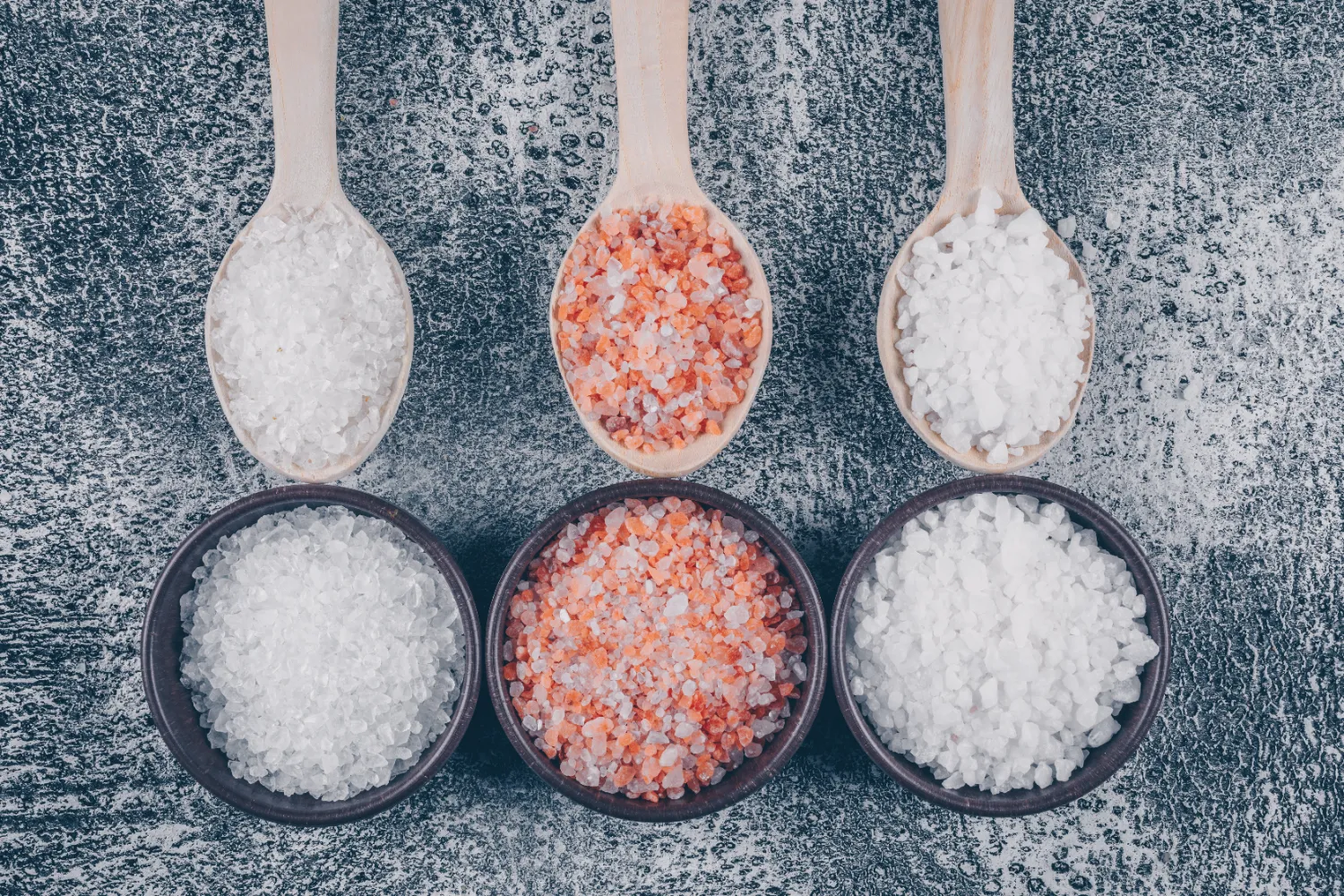
What are the types of salt? Which one goes with what?
Salt – a common ingredient that everyone has at home. And yet it is a raw material whose importance goes beyond purely culinary use. It maintains electrolyte balance in the body, supports nerve function, aids nutrient absorption, and also affects hydration. In the kitchen, it acts as a flavor enhancer and can transform an ordinary meal into an experience.
However, we now know of several types of salt – from classic table salt to mineral-rich Himalayan salt and exclusive Fleur de Sel. Each has its own specific characteristics, advantages, taste properties, and proper use. In this article, we will discuss them all, add practical tips, and advise you on which to use and when.
Table salt – an everyday staple, but not perfect
Table salt is the most common and most processed form of salt. It is obtained by mining from salt mines, where it is then purified and refined. This process removes not only impurities, but also many of the natural minerals that salt normally contains. To at least partially compensate for these losses, it is often enriched with iodine, which is important for the proper functioning of the thyroid gland.
Characteristics:
- Fine sandy consistency
- Fast solubility
- High salinity
It is used for cooking, baking, and seasoning. It is versatile, but due to its high salt content, it must be used with caution. Too much table salt can detract from the delicacy of a dish and also place unnecessary strain on the body.
TIP: Instead of sprinkling salt blindly from the salt shaker, add salt to your food by hand or with a spoon – this will give you more control over the amount.
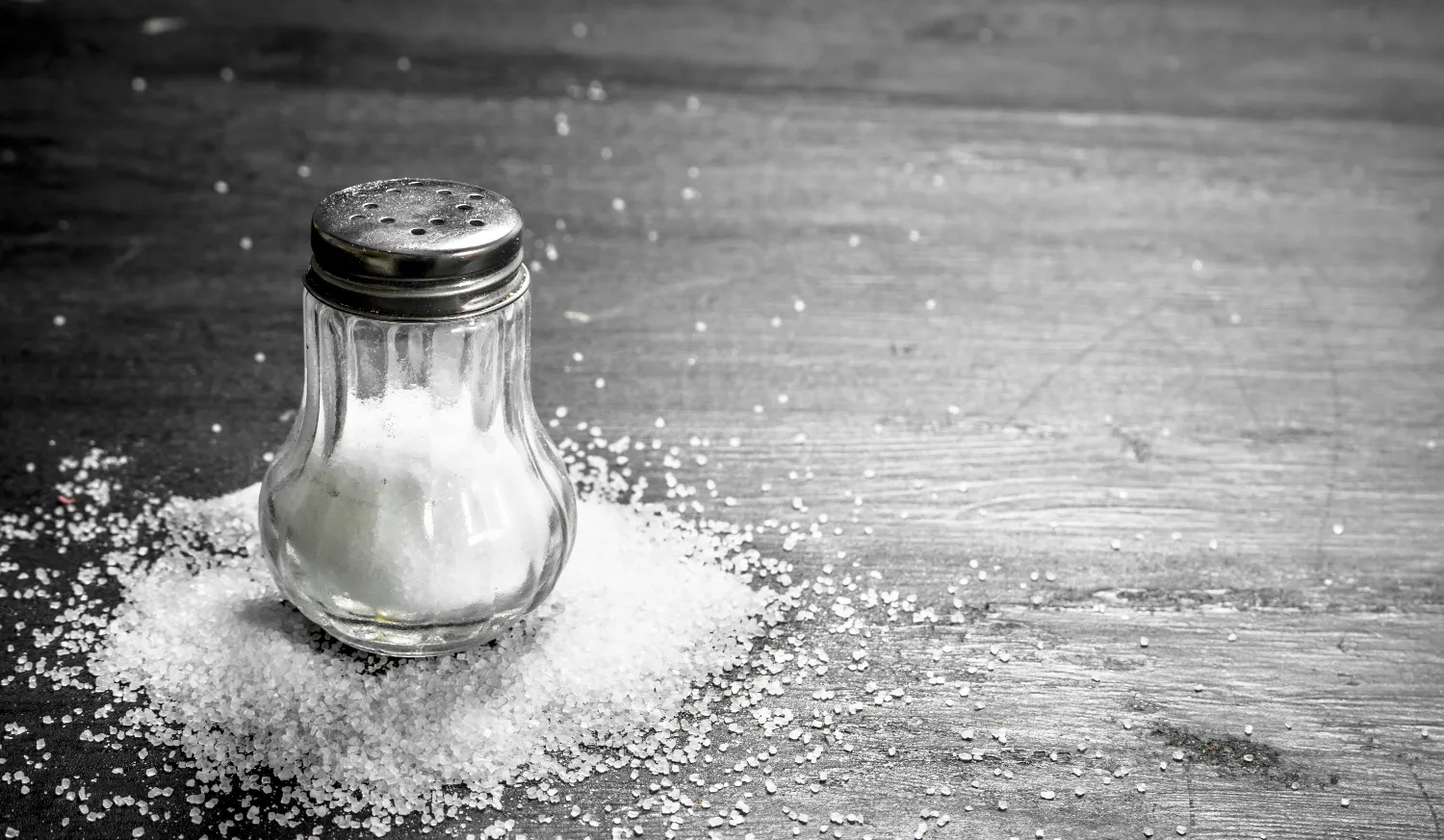
Coarse salt – robust structure and more flavor
Coarse-grained salt, often referred to as kosher salt, is a popular choice among professional chefs. Because it is not as thoroughly refined, it retains a higher proportion of natural minerals such as potassium, calcium, and iron. These substances give it a slightly different taste, which is not as "sharp" as table salt.
What can it be used for?
- Marinating meat
- Salting vegetables
- Seasoning baked dishes
- Salting with fingers ("pinching")
Thanks to its larger crystals, it is ideal for use in a grinder or for direct hand dispensing. Chefs also love it because it allows for precise and even salting of food surfaces.
Interesting fact: In Jewish cuisine, kosher salt is used in meat preparation, as its structure helps draw out blood—which is necessary according to religious rules.
Sea salt – the taste of the sea and trace elements
It is produced by the natural evaporation of sea water, retaining many of the minerals that are lost in conventional processed salts. It contains magnesium, zinc, calcium, and other trace elements that do not contribute significantly to the taste but are important from a nutritional point of view.
Its taste depends on its place of origin – some types may be milder, while others have an earthy tone. Visually, sea salt is characterized by its white to gray color and flaky consistency.
Use in the kitchen:
- Seasoning ready-made meals
- Salads, spreads, fresh bread
- Sprinkling the surface of chocolate
TIP: Do not use it during cooking – high temperatures will destroy its delicate structure and mineral benefits. Add it at the end.
Himalayan pink salt – a mineral treasure millions of years old
Himalayan salt is mined in Pakistan from deposits that were formed by the evaporation of ancient seas. Its pink color is the result of its high iron oxide content. It contains up to 84 different minerals, making it one of the richest and purest salts on the market.
It has a milder and less aggressive taste than table salt, so it seasons food without "killing" it. In addition, it is visually appealing, which you will appreciate especially when serving.
Advantages:
- Suitable for final seasoning
- Helps balance the body's pH
- Promotes muscle relaxation
- Has a positive effect on blood pressure
Interesting fact: In addition to cooking, it is also used in spas, saunas, and as an ingredient in body scrubs.
Black salt – distinctive, aromatic, unmistakable
Kala namak is particularly well known in Indian cuisine and among vegans. Thanks to its sulfur compounds, it has a specific taste reminiscent of eggs. It is less salty, but at the same time very distinctive, so only a small amount is needed.
Where to use it:
- Tofu, avocado spreads, vegan dishes
- Chutneys, curries, and other oriental dishes
TIP: Add a pinch of black salt to mixed legumes or hummus for an authentic Indian flavor.
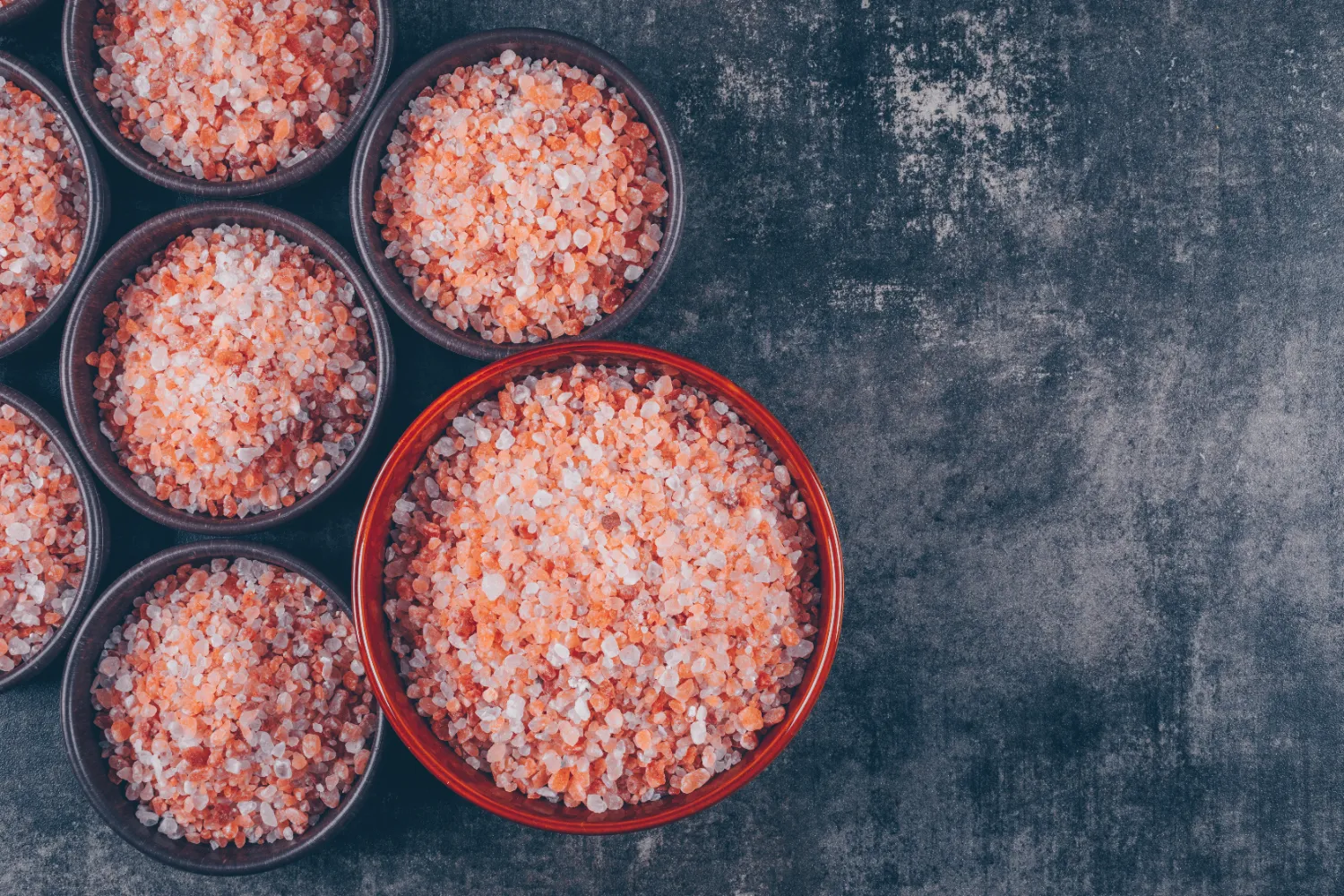
Hawaiian red salt – a volcanic experience for the senses
This salt comes from the Hawaiian Islands and is appealing not only for its taste but also for its color. The combination of sea salt and red volcanic clay (aloa) gives it a rich mineral profile and beautiful appearance.
Ideal for:
- Grilling meat
- Decorative seasoning of dishes
- Serving seafood
Interesting fact: It was traditionally used in cleansing rituals and as a remedy in Hawaiian shamanism.
Fleur de Sel – salt luxury with a delicate touch
"Salt flower" is harvested by hand from the surface of salt lakes under specific climatic conditions. It is one of the most expensive and exclusive salts in the world. Its taste is complex, intense, yet delicate.
Usage:
- Final seasoning of steaks, fresh bread, cheeses
- Ideal for dishes where texture and flavor stand out
TIP: Do not use Fleur de Sel for cooking – it would melt and lose its charm.
Flavored and herbal salts – when creativity meets taste
In recent years, more and more flavored salts have appeared on the market. They combine basic salt with ingredients such as dried herbs, chili, garlic, lemon zest, or mushrooms. Ideal for quick and easy seasoning without the need for additional spices.
Most common combinations:
- Garlic + parsley
- Rosemary + lemon
- Chili + smoked paprika
TIP: Pay close attention to the ingredients – avoid artificial flavors, preservatives, and colorings.
Salt yes, but in moderation
Although salt is essential for the proper functioning of the body, excessive amounts of sodium can lead to:
- Water retention
- High blood pressure
- Kidney load
The recommended daily dose is up to 6 grams per day – approximately one teaspoon.
Interesting fact: Up to 70–80% of our daily salt intake comes from semi-finished products, smoked meats, and baked goods—not from the salt shaker!
Conclusion: Choose the salt that suits your kitchen
Not all salts are the same—and that's their biggest advantage. Each type has its place:
- Kitchen – universal for everyday cooking
- Coarse-grained – for controlled salting
- Sea salt and Himalayan salt – for a delicate taste and nutritional benefits
- Fleur de Sel – for a perfect finish
- Flavored – for quick creativity
Salt is not just a seasoning. It is a tool. And when you use it consciously, you can turn an ordinary meal into a masterpiece.

.webp)
.webp)